
By TOM WILLIAMS
Lou Paludi lived a great life.
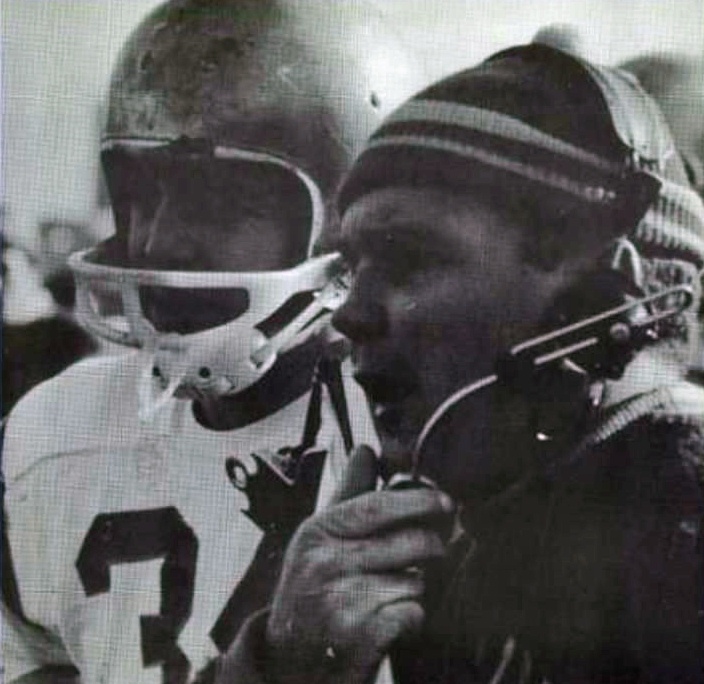
He was a successful football player at Atlantic City High School, Temple University and in the U.S. Army. He became a coach in Philadelphia’s Catholic League and eventually an assistant at Temple. Then Holy Spirit came calling.
In his eight seasons directing the Spartans in football, Paludi, who died last week after a long struggle, compiled a 54-17-3 record, never coming close to a losing season. His teams won five South Jersey championships. The first four were awarded based on a point system similar to the power points the NJSIAA uses now. But the fifth South Jersey title was won on the field in the first year of football playoffs.
Then he retired as coach.
For more than a decade, every time a football coaching position opened, the rumor mill expected Paludi to apply. But he never did.
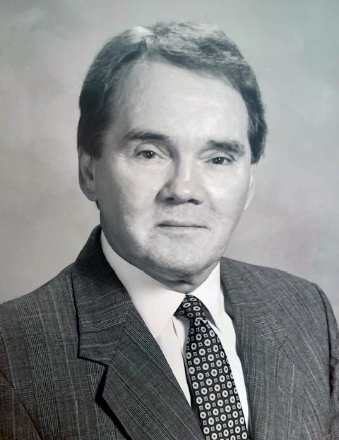
He was fascinated by the opportunities created by the casino industry and had great success – first at Atlantic Community College, then as vice president at Showboat.
Here is what a variety of people remember about Lou Paludi.
Frank Campo, all star athlete at Penns Grove and longtime athletics director at Atlantic City: “Whether it was on the gridiron, beach patrol, radio or in the casino industry, Lou was a leader and excelled.”
Tony Surace, hall of fame coach & athletics director at Millville: “It was my first year as a head coach, 1972, and we went against the undefeated Holy Spirit Spartans and their legendary coach, Lou Paludi. He was known to do anything to motivate his teams, including bringing them to a game in Army trucks. Winning that game was special and catapulted us to the league title. Lou’s teams were always prepared and well coached. South Jersey football has lost a legend.”
Jay Connell, longtime Holy Spirit coach and athletics director: “I really didn’t know Lou that well but the first year Ed Byrnes coached we sucked. After a few games, Ed convinced Lou to come out of retirement to work with our offense. It didn’t help much – we finished 3 and 6 that year – but Lou gave it 100 percent effort like he always did and the kids loved him.
One year, Lou talked Father Robertson into sending him and his coaching staff to Florida for a coaching clinic . Frank Finnerty, one of the assistants, was teaching in Absecon schools and had no available personal time to miss school. So he called in sick every day from Florida and had to wear a towel over his head to prevent getting a tan. That shows how creative that staff could be.”
Larry DiGiovanni, former Holy Spirit athlete & coach: “Lou had two outstanding qualities as a football coach.
1-He was a great motivator. Example – bringing the team to a game in Army trucks instead of a bus. He always found a way to make his teams believe they were better than the opponent. Lou was able to get his players to elevate their game, even average players believed they were special. This, combined with his excellent knowledge of X’s and O’s, made him an outstanding coach. He believed the most motivated team would win.
2-Lou once told me that in all sports having a good staff was essential, but especially in football. Stan Bergman, Frank Finnerty, Jim Gallagher and Bob Garbutt were not only great assistants but learned a lot about leadership from Lou.
One day during the early summer of 1976 – the Bicentennial Year – I stopped by the Ventnor Beach Patrol Headquarters. I saw Lou addressing the lifeguards during the morning roll call. The guards were standing in the back of the beach and Lou was in a Jeep wearing an Army helmet. He looked like General Patton leading the troops.”
Frank Finnerty, outstanding athlete and coach: “Lou started his coaching career in Philadelphia’s Catholic League and eventually became part of George Makris’ staff at Temple. Father Robertson of Holy Spirit wanted him to coach there. The school had moved from Atlantic City to Absecon just a few years earlier. He was an energetic guy, a hard-worker and fun to be around, with a real desire to always do the best you can do. He was always willing to invest the time necessary to achieve success.
He knew how to evaluate people and he surrounded himself with the people he needed at Holy Spirit – Stan Bergman, teacher and lifeguard; Bob Garbutt, teacher and lifeguard; Jim Gallagher, teacher and lifeguard; and myself. He formed a staff of four who were like-minded in their approach to coaching and teaching.
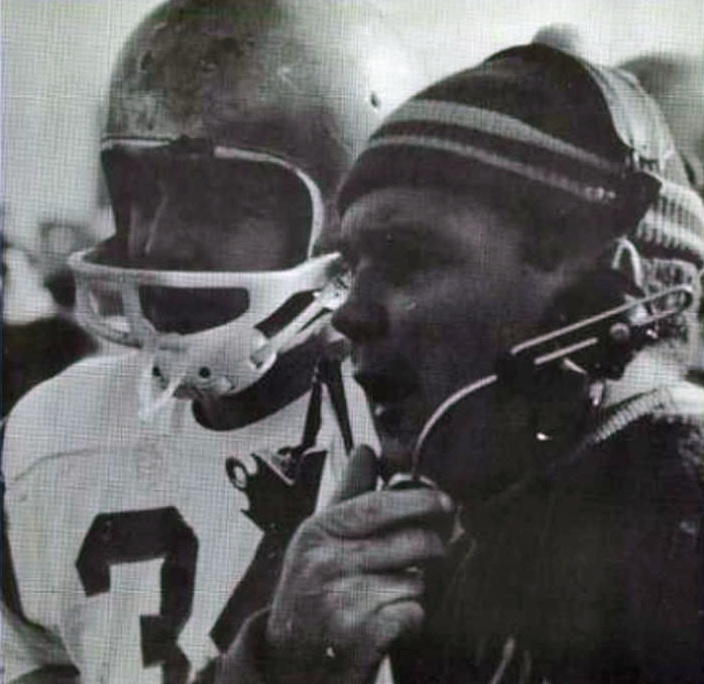
He brought an energy and work ethic to Holy Spirit and he brought the offense of the Philadelphia Eagles. It was much more wide-open than most area high school teams. Fortunately, he had a kid named Fred Dalzell, a great all-around athlete who was very smart and was a great passer. Fred made that offense work.
Lou was a great believer in motivation. Every week there was something different – things like a giant turkey before the Thanksgiving game or arriving in Army vehicles against Mainland. It helped focus the team but it also added to the fun he wanted to have. When you talk to former players about their memories, they almost all mention that they had fun. So did the coaches.
He was very organized. The game plan was very detailed and we had good resources – he got the guy who filmed the Eagles games for their coaches to film our games at Holy Spirit. Our practice schedule was precise – 20 minutes every day on the kicking game and special teams plus the two-minute drill regularly. Sometimes, the night before the Thanksgiving game, we’d take the team to a local motel to stay overnight and have breakfast together before going to the game. Once, when we played the Atlantic City game in Convention Hall, the whole team rode down the Boardwalk in trams, right into the building.
Lou could do just about everything with skill. In addition to football, he was a very good dancer (we called him ‘Disco Louie’ for a while), a terrific bowler and I probably played golf with him 500 times and he won about 498 of them. And he also won a number of rowing races as a lifeguard.
After he stopped coaching he had great success with the gaming school at Atlantic Community College and as a vice president of Human Resources at Showboat. He was a success everywhere because of his positive attitude, always seeing the good in people and in situations.
He was a good person with a great personality. And he was a winner, and people like to be around winners. He had a major impact on my life.”
Jim Gallagher, all star player at Holy Spirit and successful high school coach: “Lou Paludi helped me procure my first employment as a teacher and high school football coach at Holy Spirit High School. I was his defensive backfield coach in 1969 and 1970. Through his encouragement and guidance, I became a head coach at four different high schools. I was a head coach from day one – September 1971 – for 30 years. And I used the same practice schedule – it was Lou Paludi’s practice schedule – every year.”
Steve Brady, all star quarterback and retired banking president: “Coach Paludi was a great coach and a personal mentor for me. We kept a relationship throughout our lives and he gave me invaluable insight during my entire banking career. He was the best coach I ever played for and he was well ahead of his time. Our offense was a sophisticated pro offense that you would see in today’s game. His motivation skills were legendary. I will truly miss ‘Coach’.”

Bob Coffey, former star Holy Spirit back and Hall of Fame coach at Mainland: “Coach was such an interesting man as well as a unique innovating coach for his time. We all loved playing for him and all his assistant coaches. His approach to developing great teams included not only offense and defense but he believed that the kicking game and the passing game played a big part in a team’s success or failure. But, most of all, he made football a lot of fun. That always gave us a reason to play hard every week. We will miss him dearly.”
Fred Dalzell, all star quarterback at Holy Spirit and Princeton, now an orthopedic surgeon: “Playing for Coach Paludi was a life changing experience. He didn’t just tell you to do something, but emphasized the whys. His emphasis on preparation is something I use in my life to this day. I can never thank him enough. May he Rest in Peace.”
Lou Paludi was 92.
 Tom Williams Sports